Humanoid Robot Joint Motor: Precision Motion Solutions for Advanced Robotic SystemsAt Spotless-Precision Machinery (Suzhou) Co., Ltd., we focus on providing precision manufacturing solutions for advanced industrial applications. With professional experience in cold heading, machining of non-standard industrial fastening systems, and customized precision parts, we understand that every mechanical component plays an important role in the performance of intelligent equipment.
The Humanoid robot joint motor is a critical driving component inside modern humanoid robots. It provides power output, accurate movement control, and stable operation for robotic joints. As humanoid robots continue to enter manufacturing, logistics, healthcare, education, and research fields, the demand for reliable robotic joint motors is growing rapidly.
Unlike ordinary motors used in traditional machines, humanoid robot joint motors require higher requirements for torque control, response speed, compact design, and long-term durability. A high-quality joint motor allows robots to perform smoother movements and achieve more natural human-like actions.
Our goal is to provide customers with reliable precision humanoid robot joint motor solutions through professional manufacturing technology, strict quality management, and customized production services.
What Is a Humanoid Robot Joint Motor?
A humanoid robot joint motor is a specialized actuator component designed for robotic joints. It converts electrical energy into mechanical motion and provides the driving force required for robot movement.
Humanoid robots usually contain multiple joints, including shoulder joints, elbow joints, wrist joints, hip joints, and knee joints. Each joint needs accurate and stable power output to achieve coordinated movement.
The joint motor normally works together with:
Through the cooperation of these parts, humanoid robots can complete complex movements such as walking, grabbing objects, balancing, and interacting with people.
How Does a Humanoid Robot Joint Motor Work?
The working principle of a humanoid robot joint motor is based on precise electrical and mechanical control. The robot control system sends instructions to the motor, and the motor generates controlled rotation according to the required movement.
The basic working process includes several steps:
The robot controller sends movement commands based on programmed tasks or sensor information.
The motor driver adjusts current and voltage to control motor operation.
The joint motor generates torque and transfers power through the transmission system.
Sensors collect position and speed information for real-time adjustment.
This closed-loop control method allows humanoid robots to achieve accurate and stable motion. For example, when a humanoid robot lifts an object, the joint motor needs to provide enough torque while maintaining smooth movement.
Main Features of Humanoid Robot Joint Motor
Based on our manufacturing experience, we understand that robotic applications require motors with excellent performance and reliability. Our humanoid robot joint motor products are designed for demanding robotic environments.
1. High Precision Motion Control
Humanoid robots need accurate movement similar to human actions. The joint motor must respond quickly and maintain precise positioning.
High precision helps improve:
Robot movement accuracy
Motion coordination
Operating stability
Energy efficiency
2. Compact Structure Design
Humanoid robots have limited installation space inside their joints. Therefore, joint motors need a compact design while maintaining strong performance.
A compact motor structure helps:
Reduce robot weight
Improve flexibility
Optimize internal space
3. High Torque Output
Robot joints require sufficient torque to support movement and load handling. A reliable robot joint motor provides stable power output during repeated operation.
High torque performance is especially important for:
4. Long Service Life
Humanoid robots often operate continuously for long periods. The joint motor must maintain stable performance under repeated movement conditions.
Important factors include:
Comparison of Different Robotic Drive Systems
| Drive Type | Main Advantage | Typical Application | Performance Requirement |
|---|
| Traditional Servo Motor | Stable speed control | Industrial automation equipment | Medium precision requirements |
| Brushless DC Motor | High efficiency and long life | Robotic systems and equipment | Good motion performance |
| Humanoid Robot Joint Motor | High torque and precise control | Humanoid robots and intelligent machines | High accuracy and reliability |
| Integrated Actuator System | Compact structure and intelligent control | Advanced robotic platforms | Complex motion requirements |
Source: General comparison based on industrial robotic actuator technologies.
Applications of Humanoid Robot Joint Motor
The development of humanoid robots is creating new opportunities across many industries. High-performance joint motors provide the foundation for flexible and intelligent robotic movement.
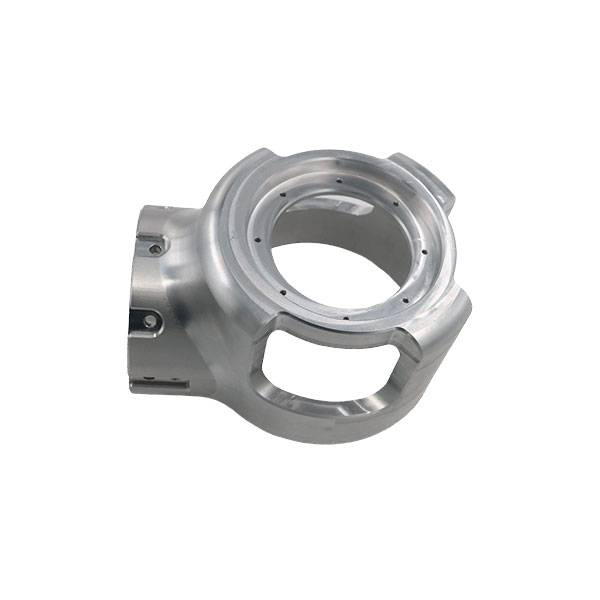
Industrial Manufacturing
In smart factories, humanoid robots are being developed to assist with assembly, inspection, material handling, and repetitive production tasks.
Reliable joint motors help robots maintain accurate movement and improve production efficiency.
Smart Logistics
Logistics environments require robots that can move freely and complete different tasks. Joint motors provide the power needed for walking, lifting, and object handling.
Healthcare and Service Robots
Humanoid robots used in healthcare require safe and smooth movement. Precision motors help create natural interaction between robots and users.
Research and Education
Universities and research organizations use humanoid robots to study artificial intelligence, motion control, and mechanical design.
Special Operation Fields
In dangerous or difficult environments, humanoid robots can assist humans in completing complex tasks. Reliable joint motors are essential for these applications.
Technical Parameters Overview of Humanoid Robot Joint Motor
| Parameter | Description |
|---|
| Product Name | Humanoid Robot Joint Motor |
| Main Function | Provide power and motion control for robot joints |
| Application Fields | Humanoid robots, automation, intelligent equipment |
| Manufacturing Process | Precision Machining, assembly, testing |
| Customization | Available according to design requirements |
Source: Product information based on customized humanoid robotic component requirements.
Manufacturing Process of Humanoid Robot Joint Motor
Manufacturing a reliable humanoid robot joint motor requires precise engineering, strict process control, and careful assembly. Unlike ordinary motors, robotic joint motors need to achieve a balance between power, size, accuracy, and durability.
At Spotless-Precision Machinery (Suzhou) Co., Ltd., we combine precision machining experience with advanced manufacturing methods to support customers requiring customized robotic components.
1. Product Design Review and Engineering Analysis
Before production starts, our engineers review customer drawings, technical specifications, and application requirements. This step helps us understand the working environment and performance expectations of the robotic motor.
The engineering review usually covers:
Motor structure design
Installation dimensions
Material requirements
Load conditions
Assembly compatibility
A detailed production plan helps improve Manufacturing Efficiency and ensures the final product meets customer expectations.
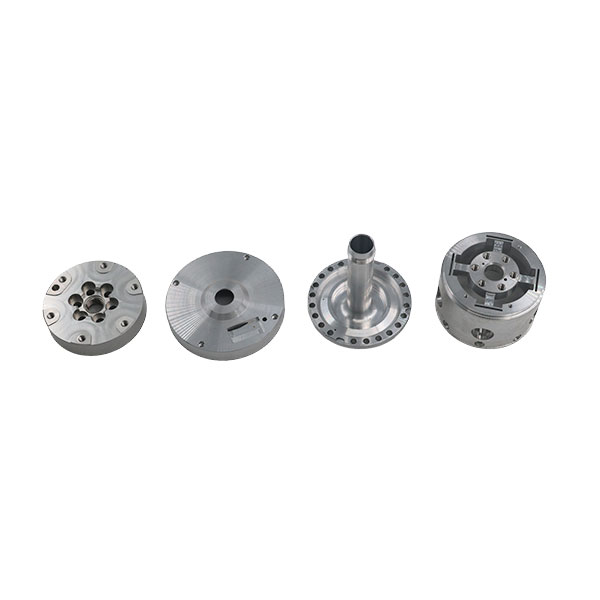
2. Precision Component Manufacturing
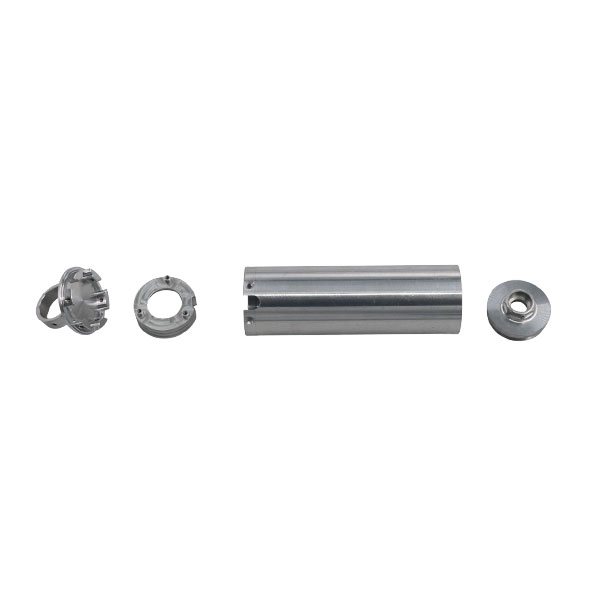
A humanoid robot joint motor contains multiple precision parts, including housings, shafts, transmission components, and connection structures.
Each component requires accurate processing to guarantee smooth assembly and stable operation.
Our machining capabilities focus on:
High dimensional accuracy
Consistent batch production
Stable surface quality
Reliable mechanical performance
3. Motor Assembly Process
The assembly process directly affects motor performance. Components must be correctly positioned and matched to ensure efficient power transmission.
Assembly procedures include:
Component preparation
Mechanical assembly
Electrical connection
Performance adjustment
4. Sensor Integration and Control Testing
Modern humanoid robot joint motors often work together with sensors and control systems. These systems allow robots to achieve accurate movement feedback.
Testing focuses on:
Rotation accuracy
Response speed
Torque performance
Operating stability
5. Final Quality Inspection
Before shipment, every precision humanoid robot joint motor undergoes inspection according to customer requirements.
Inspection items include:
Key Technical Advantages of Our Humanoid Robot Joint Motor
High Torque Density Design
Humanoid robots require strong movement ability while maintaining a lightweight structure. A high torque density motor can provide greater output power within a limited installation space.
This advantage helps robots:
Fast Response Performance
Human-like movement requires quick reaction. The joint motor needs to respond accurately according to control instructions.
Fast response improves:
Reliable Operation Under Continuous Use
Humanoid robots are often designed for long working hours. Therefore, the motor system must maintain stable performance during repeated operation.
We focus on improving:
Mechanical durability
Heat resistance
Component reliability
Operating stability
Customized Manufacturing Capability
Different humanoid robot manufacturers have different requirements for joint motor structures.
We provide customized solutions based on:
Robot size
Joint structure
Torque requirements
Operating environment
Production volume
Comparison of Humanoid Robot Joint Motor Performance Factors
| Performance Factor | Importance | Impact on Robot Operation |
|---|
| Torque Output | Very Important | Determines movement strength and load capability |
| Position Accuracy | Very Important | Affects movement precision and coordination |
| Response Speed | Important | Influences flexible robotic actions |
| Durability | Very Important | Determines long-term operating reliability |
Source: General evaluation factors for robotic actuator systems.
Production Cycle of Humanoid Robot Joint Motor
The production time of a customized humanoid robot joint motor depends on design complexity, material requirements, testing procedures, and order quantity.
| Production Stage | Estimated Time | Main Activities |
|---|
| Engineering Review | 3-15 Working Days | Technical discussion and process planning |
| Material Preparation | 7-20 Working Days | Material sourcing and preparation |
| Precision Manufacturing | 20-70 Working Days | Machining and component processing |
| Assembly and Testing | 5-20 Working Days | Performance testing and final inspection |
Source: Typical production schedule for customized robotic equipment components.
Quality Standards and Delivery Requirements
For robotic customers, product quality is not only about appearance. It also includes performance stability, technical accuracy, and reliable documentation.
Before delivery, we confirm:
Product specifications
Dimensional accuracy
Motor performance
Inspection records
Packaging condition
Technical Documents Provided
According to customer requirements, we can provide:
Dimensional inspection reports
Performance testing reports
Quality inspection records
Related technical documents
Why Precision Matters in Humanoid Robot Joint Motors
A humanoid robot is a complex system where mechanical parts, electronic components, sensors, and software work together.
The joint motor is one of the key components responsible for movement. If the motor performance is unstable, the robot may experience:
For this reason, selecting a reliable custom humanoid robot joint motor manufacturer is important for robot developers.
Why Choose Us for Humanoid Robot Joint Motor Manufacturing?
At Spotless-Precision Machinery (Suzhou) Co., Ltd., we understand that advanced robotic equipment requires more than standard components. Every robotic system has its own design requirements, and every precision part needs to work together accurately.
With years of experience in cold heading and precision machining of non-standard industrial parts, we provide customized manufacturing support for customers in robotics, automation, and high-end equipment industries.
Professional Precision Manufacturing Experience
Our production experience allows us to handle complex mechanical structures and customized components. We pay attention to details such as dimensional accuracy, surface quality, and production consistency.
For humanoid robot joint motor applications, these details directly influence:
Experienced Engineering Support
We have specially hired a cold heading expert with 30 years of industry experience. This professional background helps us solve difficult forming and machining problems, especially for non-standard precision components.
Our engineering team works closely with customers to understand product requirements and provide practical manufacturing suggestions.
Strong Capability in Customized Components
Humanoid robot manufacturers often require different motor structures depending on robot design. Standard products may not always meet special application needs.
We support customized production based on:
Customer drawings
Material specifications
Structural requirements
Production quantity
Application environment
Applications of Humanoid Robot Joint Motor in Future Industries
The development of humanoid robots is creating new possibilities in many industries. A reliable joint motor helps robots achieve smoother and more intelligent movement.
Smart Manufacturing
In modern factories, humanoid robots can assist workers with assembly, inspection, transportation, and repetitive tasks.
High-performance robot joint motors help improve:
Production flexibility
Task accuracy
Working efficiency
Automation level
Intelligent Logistics
Warehouses require robots that can move, carry, and organize products efficiently. Humanoid robot joint motors provide the movement ability needed for complex logistics operations.
Medical Assistance and Rehabilitation
Robots used in healthcare require safe and precise movement. Joint motors help achieve smooth interaction and accurate operation.
Scientific Research
Research institutions use humanoid robots to explore artificial intelligence, mechanical design, human-machine interaction, and advanced control technologies.
Packaging and Transportation Solutions
Because humanoid robot joint motors contain precision mechanical and electronic components, proper packaging is necessary to protect product performance during transportation.
We use professional packaging methods including:
These packaging methods help reduce transportation risks and ensure that products arrive in good condition.
Shipping Methods for Humanoid Robot Joint Motor
According to customer location, delivery schedule, and order requirements, we support different transportation methods.
| Shipping Method | Suitable Situation | Advantages |
|---|
| International Express | Samples and small orders | Fast delivery and convenient tracking |
| Air Freight | Urgent or medium-size shipments | Short transportation time |
| Sea Freight | Large volume orders | Cost-effective transportation |
| Specialized Logistics | High-value equipment components | Professional handling service |
Source: Common international transportation methods for precision industrial components.
Payment Terms and Business Cooperation
For international orders, we provide flexible payment solutions according to project requirements.
Common payment methods include:
We communicate clearly with customers throughout the production process, from order confirmation to final delivery.
Frequently Asked Questions About Humanoid Robot Joint Motor
Q1: What is the main function of a humanoid robot joint motor?
A humanoid robot joint motor provides driving power for robotic joints. It controls movement, generates torque, and helps robots achieve flexible and accurate actions.
Q2: Where are humanoid robot joint motors used?
They are widely used in industrial robots, smart factories, logistics robots, healthcare robots, research robots, and advanced automation systems.
Q3: Can you provide customized humanoid robot joint motors?
Yes. We can manufacture customized solutions according to customer drawings, structural requirements, performance targets, and application conditions.
Q4: What production information is needed for customization?
Customers usually provide product drawings, technical specifications, material requirements, application details, and expected production quantity.
Q5: How long is the production cycle?
The production cycle generally ranges from 30 to 120 working days depending on product complexity, customization requirements, testing procedures, and order quantity.
Q6: How do you ensure product quality?
We use strict inspection procedures including dimensional checks, performance testing, appearance inspection, and technical document verification before shipment.
Future Development of Humanoid Robot Joint Motor Technology
As artificial intelligence and robotics continue to develop, humanoid robots are becoming more intelligent and practical. The demand for high-performance joint motors will continue to increase.
Future robot joint motor technology will focus on:
Higher torque density
Lower energy consumption
Smaller structure design
Better motion control
Longer service life
Conclusion: Reliable Humanoid Robot Joint Motor Solutions for Advanced Robotics
A high-quality humanoid robot joint motor is the foundation of stable robotic movement. From precision manufacturing and customized design to strict quality inspection and safe delivery, every step affects the final performance of the robot system.
At Spotless-Precision Machinery (Suzhou) Co., Ltd., we are committed to supporting customers with reliable precision manufacturing solutions. With professional experience, customized production capability, and attention to detail, we help robotics companies develop advanced and dependable humanoid robot systems.
If you are looking for a trusted supplier of precision humanoid robot joint motors, custom robotic actuator components, or high accuracy robot joint parts, we welcome you to discuss your project requirements with us.

 EN
EN Español
 العربية
 Tiếng Việt



 телефон