

In modern manufacturing, industries require components with higher accuracy, better reliability, and more complex designs. Traditional manufacturing methods may struggle to meet these requirements, especially when producing parts with strict tolerances and complicated structures.
This is why CNC Machining has become widely used in aerospace, automotive, and medical industries. With computer-controlled technology, CNC machining provides precise manufacturing capabilities, consistent production quality, and flexible solutions for different industrial applications.
The aerospace, automotive, and medical industries all have strict requirements for component performance. Parts must often withstand demanding environments, maintain accurate dimensions, and provide long-term reliability. CNC machining helps manufacturers achieve these goals through advanced production processes and accurate machining control.
From lightweight Aerospace Components to automotive mechanical parts and medical precision instruments, CNC machining plays an important role in supporting modern industrial development.
This article explains why CNC machining is widely used in aerospace, automotive, and medical industries, including its advantages, applications, and impact on modern manufacturing.
What Is CNC Machining?
CNC machining is an automated manufacturing process that uses computer-controlled machines to produce precision components. CNC stands for Computer Numerical Control, which means Machining equipment operates according to programmed instructions.
The CNC machining process uses digital designs, such as CAD drawings or 3D models, to control cutting tools and create accurate parts.
Common CNC machining operations include:
CNC drilling
CNC grinding
Surface finishing
The main advantage of CNC machining is its ability to produce complex parts with high accuracy and repeatable quality.
Unlike manual machining, CNC machining reduces human operation errors and improves manufacturing consistency. This makes CNC machining suitable for industries where precision and reliability are essential.
Why CNC Machining Is Important for Aerospace Industries
The Aerospace Industry has some of the most demanding manufacturing requirements. Aerospace components must be lightweight, strong, accurate, and capable of operating under extreme conditions.
CNC machining is widely used in aerospace industries because it can produce complex components with strict dimensional requirements.

High Precision Requirements in Aerospace Manufacturing
Aerospace parts often require extremely accurate dimensions because even small differences can affect assembly performance and operational safety.
CNC machining provides:
Accurate dimensional control
Consistent production results
Complex geometry manufacturing
Reliable component performance
The high precision of CNC machining makes it suitable for manufacturing aerospace components that require strict tolerances.
Lightweight Component Manufacturing
Reducing weight is an important goal in aerospace manufacturing. Lightweight components help improve fuel efficiency and overall performance.
CNC machining can process lightweight materials such as aluminum and titanium while maintaining excellent accuracy.
Common aerospace CNC machined components include:
Structural parts
Engine components
Aircraft fixtures
Precision mechanical parts
Complex Aerospace Part Production
Aerospace components often have complex shapes that require advanced manufacturing methods.
Multi-axis CNC machining allows manufacturers to create complicated structures with fewer machining steps.
Benefits include:
Improved design flexibility
Reduced assembly requirements
Better Manufacturing Efficiency
Why CNC Machining Is Widely Used in Automotive Industries
The automotive industry requires large quantities of reliable components with consistent quality. CNC machining provides flexible manufacturing solutions for both prototype development and production applications.
Accurate Automotive Component Manufacturing
Automotive parts must meet strict performance requirements.
CNC machining helps produce:
Engine components
Transmission parts
Suspension components
Mechanical fixtures
Customized automotive parts
The accuracy of CNC machining improves component compatibility and overall vehicle performance.
Prototype Development for Automotive Innovation
Automotive manufacturers frequently develop new designs and technologies.
CNC machining provides an efficient solution for prototype production because it allows engineers to quickly create and test new components.
Advantages include:
Faster design verification
Easy design modification
Reduced development time
Before mass production begins, CNC machined prototypes help engineers evaluate product performance.
Efficient Automotive Production
Manufacturing efficiency is important in the automotive industry.
CNC machining improves efficiency through:
Automated production
Reduced manual operations
Consistent machining processes
Better production control
This helps manufacturers produce reliable Automotive Components with stable quality.

Why CNC Machining Is Important for Medical Industries
The Medical Industry requires extremely accurate and reliable components. Medical devices and equipment must meet strict requirements for safety, performance, and durability.
CNC machining is widely used in medical industries because it provides high precision and excellent material compatibility.
High Accuracy Medical Component Production
Medical components often require very small tolerances.
CNC machining helps manufacture:
Surgical instruments
Medical device components
Precision equipment parts
Custom medical components
The accuracy of CNC machining helps ensure proper function and reliability.
Material Flexibility in Medical Manufacturing
Medical applications require materials with specific properties.
Common materials used in medical CNC machining include:
Stainless steel
Titanium
Engineering plastics
These materials provide:
Corrosion resistance
Strength
Durability
Biocompatibility characteristics
Material flexibility makes CNC machining suitable for different medical applications.
Customized Medical Solutions
Medical Equipment often requires customized designs.
CNC machining allows manufacturers to produce specialized components based on unique requirements.
Benefits include:
Flexible design changes
Small batch production
Accurate customization
This makes CNC machining valuable for developing advanced medical equipment.
Key Advantages of CNC Machining Across Industries
The widespread use of CNC machining in aerospace, automotive, and medical industries is mainly due to several important advantages.
1. High Manufacturing Accuracy
Accuracy is the most important advantage of CNC machining.
Computer-controlled operations ensure:
Precise tool movement
Stable dimensions
Repeatable production quality
High accuracy improves product reliability across different industries.
2. Complex Design Capability
Modern products often require complicated structures.
CNC machining can produce:
Complex surfaces
Detailed components
Multi-dimensional parts
This capability allows engineers to create innovative product designs.
3. Production Flexibility
Different industries require different production quantities.
CNC machining supports:
Prototype manufacturing
Small batch production
Medium volume production
Customized components
This flexibility makes CNC machining suitable for various manufacturing needs.
4. Improved Manufacturing Efficiency
Automation improves production efficiency.
CNC machining reduces:
Manual processing time
Production errors
Material waste
At the same time, it improves production consistency and workflow efficiency.
5. Better Quality Control
Quality control is essential for aerospace, automotive, and medical industries.
The CNC machining process supports strict inspection procedures, including:
Dimensional measurement
Surface inspection
Tolerance testing
Functional evaluation
Reliable quality control ensures that manufactured components meet technical requirements.
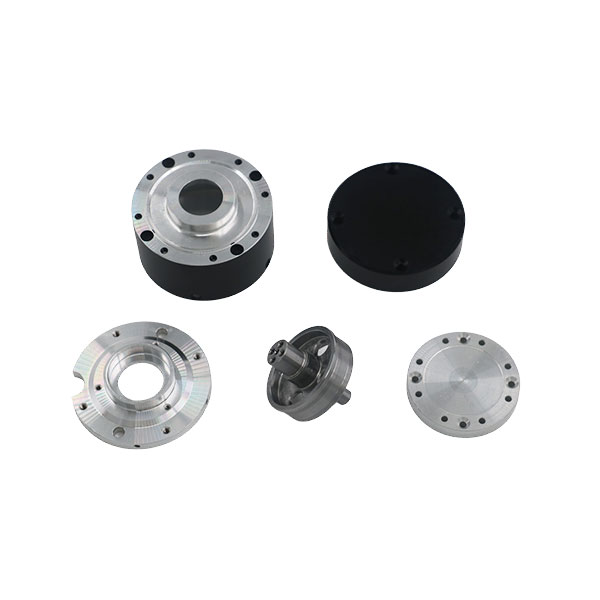
CNC Machining Processes Used in Aerospace, Automotive, and Medical Industries
Different applications require different CNC machining methods.
CNC Milling
CNC milling uses rotating cutting tools to remove material from a workpiece.
It is commonly used for:
Complex aerospace structures
Automotive components
Medical device parts
CNC milling provides excellent flexibility for complex designs.
CNC Turning
CNC turning is suitable for cylindrical components.
Applications include:
Shafts
Connectors
Rotating components
Precision mechanical parts
CNC turning provides accurate diameter control and smooth surfaces.
CNC Drilling
CNC drilling creates accurate holes and openings.
It is widely used for:
Assembly components
Mechanical structures
Precision equipment parts
Materials Used in CNC Machining Industries
Different industries require different materials.
Aluminum
Aluminum is widely used because it is lightweight and easy to machine.
Applications include:
Aerospace structures
Automotive components
Electronic parts
Stainless Steel
Stainless steel provides excellent strength and corrosion resistance.
Applications include:
Medical instruments
Industrial components
Automotive parts
Titanium
Titanium offers high strength and lightweight characteristics.
Applications include:
Aerospace components
Medical parts
Engineering Plastics
Engineering plastics provide lightweight and specialized performance.
Applications include:
Medical components
Electrical parts
Precision structures
Future Development of CNC Machining
The future of CNC machining will continue developing toward smarter and more efficient manufacturing.
Future trends include:
Intelligent CNC systems
Automated production
Digital manufacturing
Advanced inspection technology
Improved machining accuracy
These developments will further expand the applications of CNC machining in aerospace, automotive, and medical industries.
Conclusion
CNC machining has become an essential manufacturing technology for aerospace, automotive, and medical industries because of its high precision, flexibility, and reliability.
In aerospace industries, CNC machining helps produce lightweight and complex components with strict accuracy requirements. In automotive industries, CNC Machining Supports efficient production and innovative product development. In medical industries, CNC machining provides accurate and customized components for advanced equipment.
With continuous improvements in automation and manufacturing technology, CNC machining will continue playing an important role in modern industrial production. Its ability to combine precision, efficiency, and flexibility makes CNC machining a valuable solution for industries requiring high-quality components and reliable manufacturing performance.
Этот веб-сайт использует файлы cookie, чтобы обеспечить вам максимально эффективное использование нашего веб-сайта.
 EN
EN Español
 العربية
 Tiếng Việt



 телефон
Комментарий
(0)